

Case
47 entries
Filter

Ampan Petcherat
A Thai girl who, from the age of one, spoke of a life as a small boy who drowned; at seven she recognised his aunt in the street, and her statements matched Chuey Puang Pei, drowned in 1950, whose body had been marked with red ochre.
B.B. Saxena
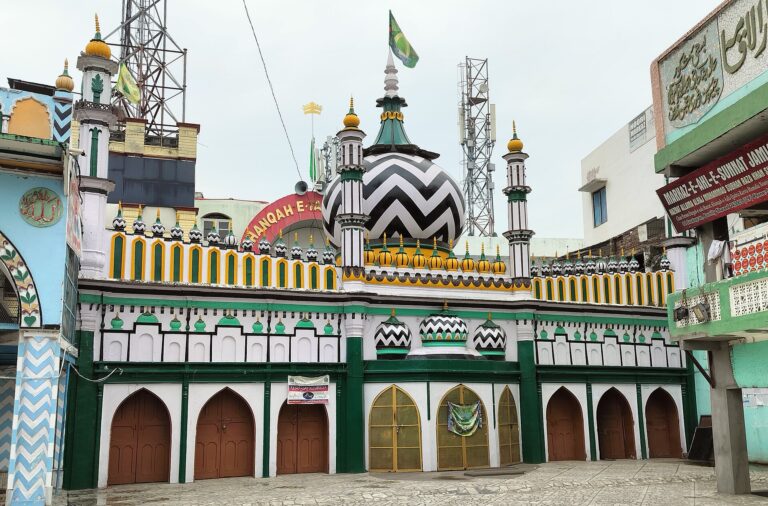
An Indian boy from Bareilly, born with blond hair and fair skin, who in the 1920s said he had been an English soldier named Arthur, shot in the neck on horseback in the First World War; he had a birthmark like a bullet wound on his neck and English habits, but the soldier was never identified.

Bishen Chand Kapoor
A boy from Bareilly, India, who from infancy spoke of a life as Laxmi Narain, a rich and hard-living young man of Pilibhit who died in 1918. A lawyer wrote down many of his statements before they were checked, and nearly all proved correct.
Bongkuch Promsin
A Thai boy who before he was two said he was Chamrat, a young man of Laotian descent from a nearby village who was stabbed to death at a fair in 1954; he named the two suspects, used Laotian words and kept Laotian food habits.

Bridey Murphy
The 1950s hypnosis case in which a Colorado housewife, regressed by Morey Bernstein, described life as an Irishwoman who lived from 1798 to 1864; some obscure details checked out but Bridey herself was never traced, and the case was widely declared debunked, though some of the debunking was itself unreliable.

Cameron Macauley
A Glasgow boy who from the age of two and a half talked of a former family on the Hebridean island of Barra, a large white house by the beach and planes landing on the sand; on Barra a holiday house once owned by a Glasgow family called Robertson fitted his description, but no one matched what he said about his family.
Carl Edon
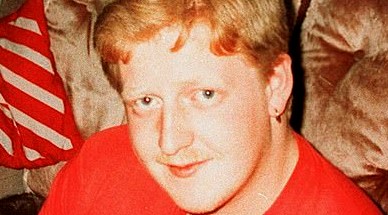
A Middlesbrough boy who from the age of two said he had crashed a plane through a window as a German airman, drew cockpit instruments and German insignia, and was born with a mark at the top of the leg he said he had lost; a German bomber was dug up in the town in 1997, but the case remains unsolved.

Cevriye Bayrı
A Turkish girl whose first words grew into 'Ramazan killed'; she spoke of being Şehide Süzülmüş, murdered with her husband and two of their children in Adana in 1957, and was said to recognise several of Şehide's friends and relatives.

Corliss Chotkin Jr
A Tlingit boy from Sitka, Alaska, born in 1947 with two marks matching surgical scars that his great-uncle, Victor Vincent, had shown his mother while saying he would return as her son. As a toddler he reportedly used the uncle's name and recognised his relatives.
Dorothy Eady (Omm Sety)
An Englishwoman who, after a fall at the age of three, came to believe she had been a priestess at the temple of Seti I in Abydos, and spent her last decades there as 'Omm Sety'.

Duminda Ratnayake
A Sri Lankan boy who from the age of three said he had been a chief monk at the Asgiriya temple in Kandy, behaved like a monk and chanted Pali verses; his statements best fitted Gunnepana Saranankara, abbot from 1921 to 1929, whom he later picked out in an old photograph.

Gnanatilleka Baddewithana
A Sri Lankan girl who said she had been a boy from the hill town of Talawakele; dozens of her statements were written down before the family was traced, and they matched Tillekeratne, a 13-year-old who died in 1954, whose relatives she identified at a recorded meeting.
Gretchen (Dolores Jay)
A 1970s American case in which a minister's wife, under hypnosis, became 'Gretchen', a German girl of the nineteenth century who answered questions in simple German; investigated by Ian Stevenson.
Imad Elawar
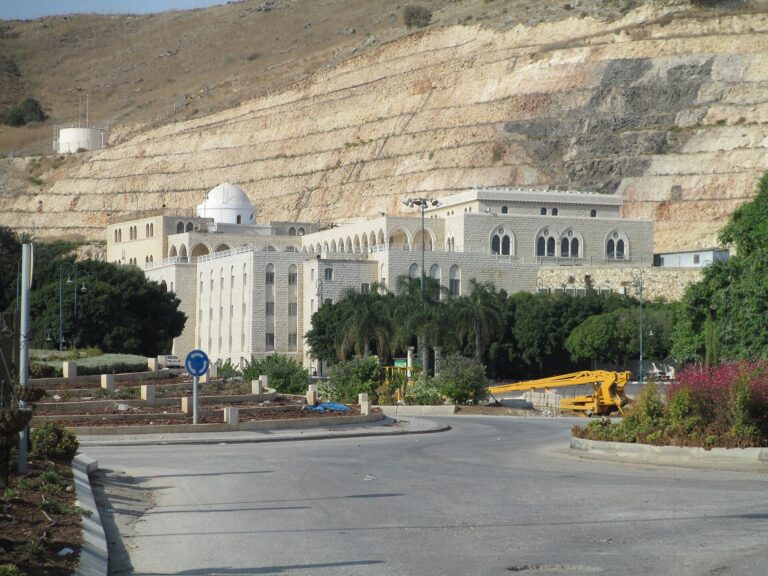
A Lebanese Druze boy whose statements about a past life in Khriby were written down by Ian Stevenson before any checking began; his parents had pieced them into the wrong story, but they matched Ibrahim Bouhamzy, a young man who died of tuberculosis in 1949.
İsmail Altınkılıç
A Turkish boy who from about eighteen months insisted he was Abit Süzülmüş, a farmer murdered in Adana in 1957 with his wife and two children; his father's demands for money made it one of Stevenson's most closely checked cases, and it is linked to that of Cevriye Bayrı, who remembered being the wife.

Jagdish Chandra
A boy from Bareilly whose statements, from the age of three, about a life in Benares as Jai Gopal, son of Babu Pandey, who supervised a bathing ghat there, were written down by his lawyer father and published in a newspaper in 1926 before anyone checked them.
James Leininger
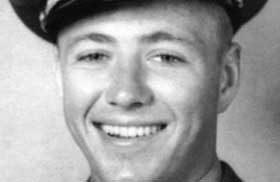
An American boy whose nightmares and statements about being a Second World War navy pilot were matched to James Huston Jr, shot down during the Iwo Jima campaign in 1945; one of the best-known Western cases, and one of the most debated.
Jasbir Lal Jat
An Indian boy who appeared to die of smallpox at three and a half in 1954, revived, and then claimed to be Sobha Ram, a Brahmin of another village who had died in a fall from a wedding chariot at about the same time; a classic replacement case.
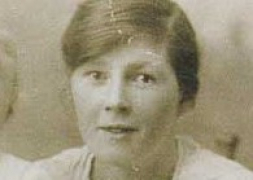
Jenny Cockell
An English woman whose lifelong memories of an Irish mother who died young, leaving eight children, led her through maps, letters and records to Mary Sutton of Malahide, who died in 1932; Mary's eldest son confirmed many private family details and came to accept her as his mother reborn.
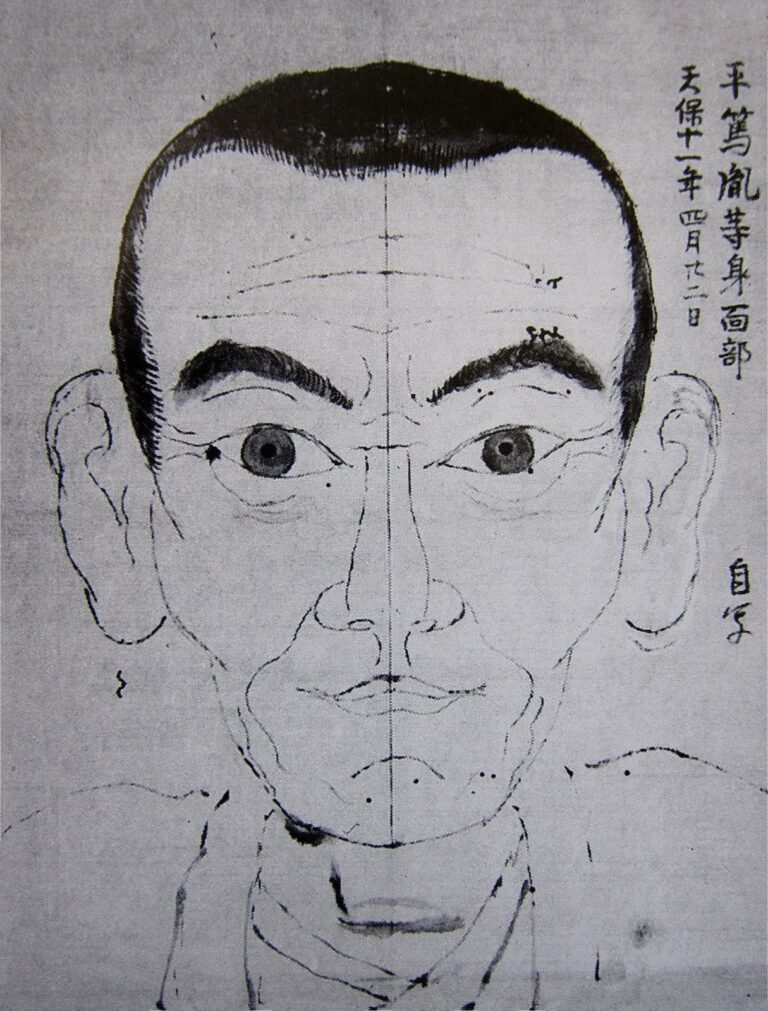
Katsugoro
A Japanese boy who in 1822 said he had been Tozo, a child of a nearby village who died of smallpox in 1810, and who led his grandmother to Tozo's home; his case was written down in 1823 by an official, a retired lord and a scholar, making it one of the earliest documented cases.
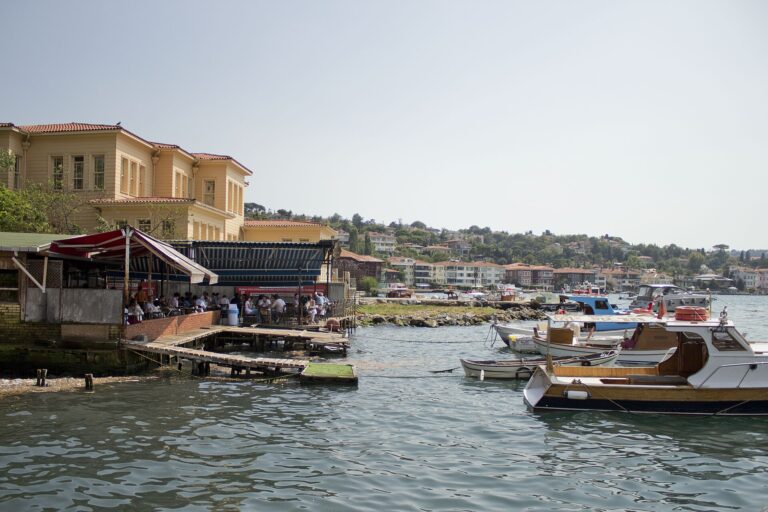
Kemal Atasoy
A Turkish boy from Hatay whose statements, written down by Jürgen Keil before any checking, described a wealthy Armenian named Karakas in a waterside house in Istanbul, 850 kilometres away; a local historian later confirmed that such a man had lived in the house and died about fifty years before the boy was born.
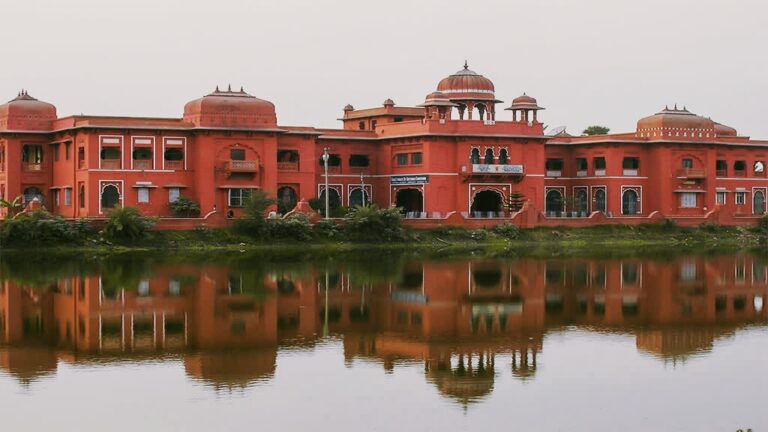
Kumkum Verma
An Indian girl from a Bihar village who spoke of a life as Sundari, a woman of a blacksmith family in Urdu Bazar, Darbhanga; her aunt wrote down many of her statements before any were checked.
Ma Tin Aung Myo
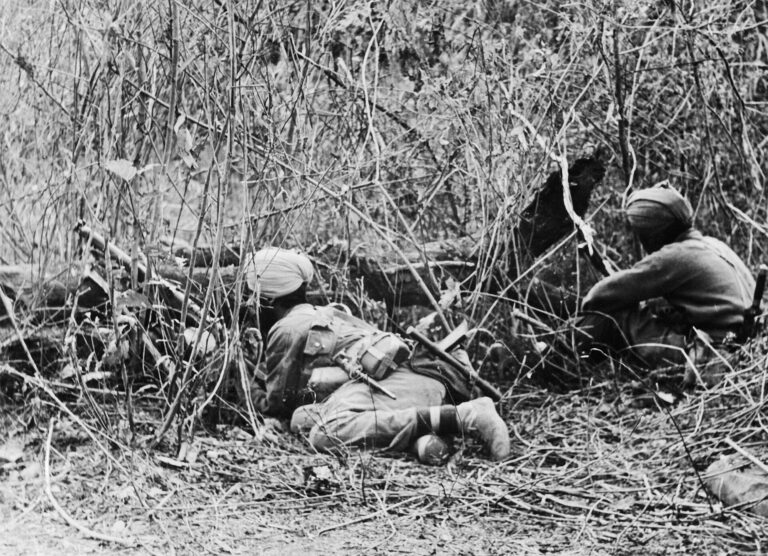
A Burmese child who, from about the age of four, said she had been a Japanese army cook shot by an Allied aircraft in her own village during the Second World War; she was terrified of aircraft, longed for Japan and kept a firmly male identity into adulthood, but the soldier was never identified.
Mallika Aroumougam
A girl in Pondicherry who, just before her fourth birthday, claimed cushions embroidered by her neighbour's dead sister as her own work and went on to identify with that sister; a case with few verifiable details in which the two families shared a house.