

Birthmarks
13 entries
Filter
B.B. Saxena
An Indian boy from Bareilly, born with blond hair and fair skin, who in the 1920s said he had been an English soldier named Arthur, shot in the neck on horseback in the First World War; he had a birthmark like a bullet wound on his neck and English habits, but the soldier was never identified.
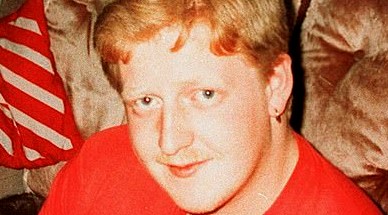
Carl Edon
A Middlesbrough boy who from the age of two said he had crashed a plane through a window as a German airman, drew cockpit instruments and German insignia, and was born with a mark at the top of the leg he said he had lost; a German bomber was dug up in the town in 1997, but the case remains unsolved.

Cevriye Bayrı
A Turkish girl whose first words grew into 'Ramazan killed'; she spoke of being Şehide Süzülmüş, murdered with her husband and two of their children in Adana in 1957, and was said to recognise several of Şehide's friends and relatives.
Corliss Chotkin Jr
A Tlingit boy from Sitka, Alaska, born in 1947 with two marks matching surgical scars that his great-uncle, Victor Vincent, had shown his mother while saying he would return as her son. As a toddler he reportedly used the uncle's name and recognised his relatives.
Experimental birthmarks
Marks deliberately placed on a dying or dead person's body so that the person can be recognised when reborn; in some cases a child is later born with a matching birthmark.

Ian Stevenson
Canadian-American psychiatrist who founded the modern scientific study of children who remember previous lives, investigating cases on four continents over four decades at the University of Virginia.
In Search of the Dead
A 1992 BBC Wales documentary series by Jeffrey Iverson on the evidence for life after death, whose third episode, 'Remembered Lives', follows Ian Stevenson and the researchers who replicated his work in the field.
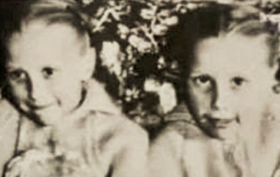
Pollock twins
Identical twins born in Hexham in 1958, seventeen months after their two older sisters were killed by a driver; the younger twin had birthmarks matching a scar and a mole of one sister, and the pair made a few statements and recognitions that their parents linked to the sisters' lives.
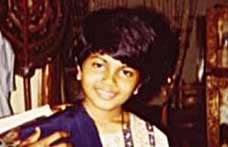
Purnima Ekanayake
A Sri Lankan girl, born with pale birthmarks on the left of her chest, who spoke of being an incense maker killed by a big vehicle; her statements matched Jinadasa Perera of Angoda, near Kelaniya, whose post-mortem report recorded crushing injuries across the same area.
Ramoo and Rajoo Sharma
Indian twin boys who, from about the age of three, said they had been twin brothers from a village 16 kilometres away who were lured to a house and strangled in 1964; they were born with streaks of darker skin across their abdomens, which Stevenson came to link with the poles used to pin the men down.
Ravi Shankar Gupta
An Indian boy from Kanauj who from the age of two said he was Munna, a six-year-old murdered six months before his birth; he named the two men arrested for the killing and had a long mark across his neck that he linked to the fatal wound.

Sunita Khandelwal
An Indian girl born in 1969 with a bleeding mark on the right side of her head who from about two asked to be taken to Kota; her statements, which gave no names, matched Sakuntala Maheshwari, the eight-year-old daughter of a Kota jeweller, who died after falling from a balcony in 1968.
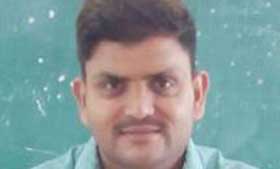
Titu Singh
An Indian boy, Toran Singh, known as Titu, who said he had owned a radio shop in Agra and been shot; he matched Suresh Verme, killed in his car in 1983, and had birthmarks at the bullet's entry and exit sites.