

India
18 entries
Filter 1
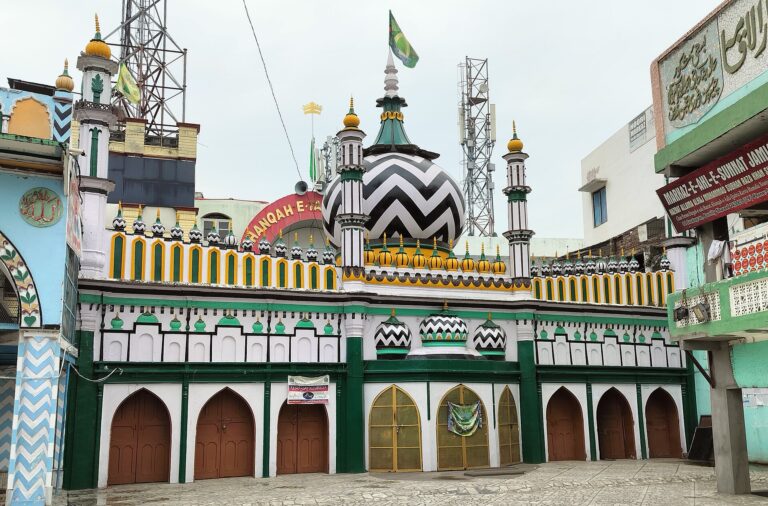
B.B. Saxena
An Indian boy from Bareilly, born with blond hair and fair skin, who in the 1920s said he had been an English soldier named Arthur, shot in the neck on horseback in the First World War; he had a birthmark like a bullet wound on his neck and English habits, but the soldier was never identified.

Bishen Chand Kapoor
A boy from Bareilly, India, who from infancy spoke of a life as Laxmi Narain, a rich and hard-living young man of Pilibhit who died in 1918. A lawyer wrote down many of his statements before they were checked, and nearly all proved correct.
In Search of the Dead
A 1992 BBC Wales documentary series by Jeffrey Iverson on the evidence for life after death, whose third episode, 'Remembered Lives', follows Ian Stevenson and the researchers who replicated his work in the field.

Jagdish Chandra
A boy from Bareilly whose statements, from the age of three, about a life in Benares as Jai Gopal, son of Babu Pandey, who supervised a bathing ghat there, were written down by his lawyer father and published in a newspaper in 1926 before anyone checked them.
Jasbir Lal Jat
An Indian boy who appeared to die of smallpox at three and a half in 1954, revived, and then claimed to be Sobha Ram, a Brahmin of another village who had died in a fall from a wedding chariot at about the same time; a classic replacement case.
Kumkum Verma
An Indian girl from a Bihar village who spoke of a life as Sundari, a woman of a blacksmith family in Urdu Bazar, Darbhanga; her aunt wrote down many of her statements before any were checked.
Mallika Aroumougam
A girl in Pondicherry who, just before her fourth birthday, claimed cushions embroidered by her neighbour's dead sister as her own work and went on to identify with that sister; a case with few verifiable details in which the two families shared a house.
Rakesh Gaur
An Indian boy from Kankroli, Rajasthan, who from the age of five said he had been a carpenter from Tonk who was electrocuted; the man was identified as Bithal Das, who died in 1955, but the two investigators, Satwant Pasricha and the anthropologist David Barker, disagreed over whether the identification was genuine or socially constructed.
Ramoo and Rajoo Sharma
Indian twin boys who, from about the age of three, said they had been twin brothers from a village 16 kilometres away who were lured to a house and strangled in 1964; they were born with streaks of darker skin across their abdomens, which Stevenson came to link with the poles used to pin the men down.
Ravi Shankar Gupta
An Indian boy from Kanauj who from the age of two said he was Munna, a six-year-old murdered six months before his birth; he named the two men arrested for the killing and had a long mark across his neck that he linked to the fatal wound.
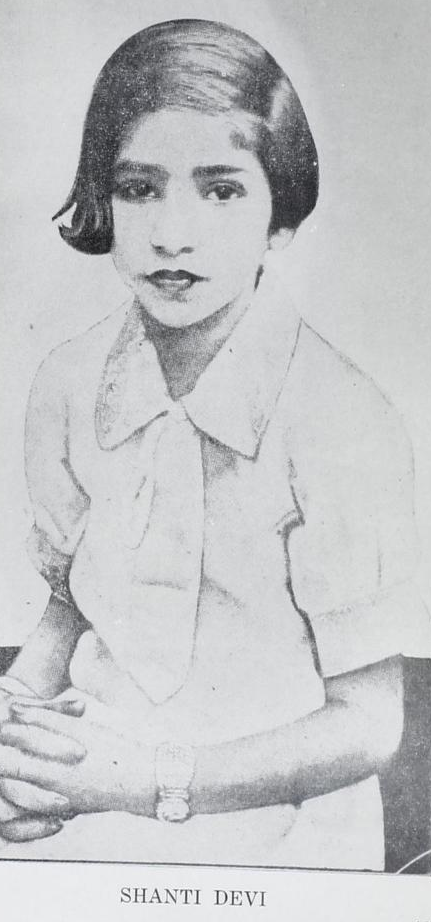
Shanti Devi
A Delhi girl who in the 1930s remembered being Lugdi, a young wife in Mathura who died after childbirth; she recognized her former husband, and a committee formed on Gandhi's advice took her to Mathura, making hers perhaps the most famous case in India.
Sumitra Singh
A young village wife in northern India who in 1985 seemed to die, revived, and said she was Shiva, an educated Brahmin woman found dead on a railway line two months earlier; she recognised many of Shiva's relatives and took on her manners, in what her investigators called a case of the possession type.

Sunil Dutt Saxena
The son of a struggling shopkeeper in a small Indian town, who before the age of two began to speak of Budaun and later described the life of a rich man who had founded a college there; his statements fitted Seth Sri Krishna, who died in 1951, though some Budaun witnesses later gave conflicting accounts.
Sunita Chandak
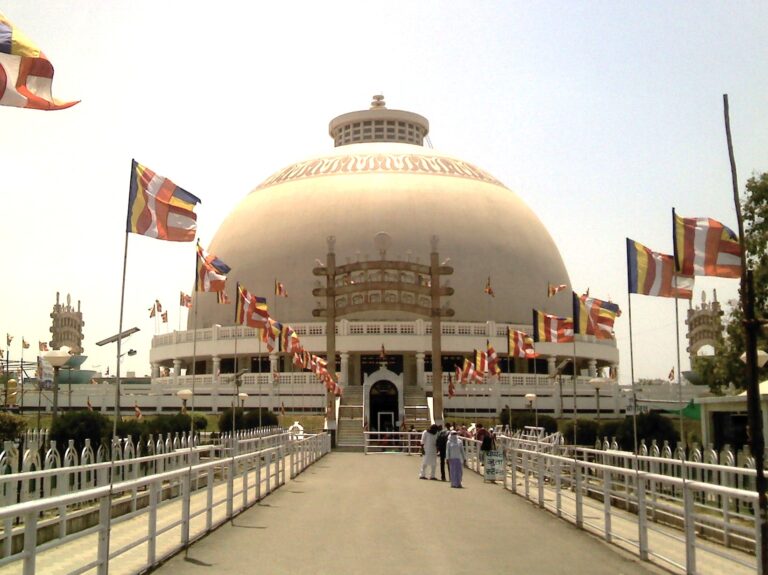
An Indian girl who from the age of four asked to be taken to 'Belgaon'; of 28 villages with that name, a newspaper story led to the one where Shanta Kalmegh, a girl who died in about 1950, had lived, and there Sunita pointed out several things that had changed since Shanta's death.

Sunita Khandelwal
An Indian girl born in 1969 with a bleeding mark on the right side of her head who from about two asked to be taken to Kota; her statements, which gave no names, matched Sakuntala Maheshwari, the eight-year-old daughter of a Kota jeweller, who died after falling from a balcony in 1968.

Swarnlata Mishra
An Indian girl who from the age of three described the life of Biya Pathak of Katni, who died in 1939; she later recognised many of Biya's relatives, some of whom tried to mislead her, and sang Bengali songs she linked to a second, unidentified life.
Titu Singh
An Indian boy, Toran Singh, known as Titu, who said he had owned a radio shop in Agra and been shot; he matched Suresh Verme, killed in his car in 1983, and had birthmarks at the bullet's entry and exit sites.
Uttara Huddar
A Marathi-speaking lecturer in Nagpur who from 1974, aged 32, had phases as 'Sharada', a Bengali-speaking married woman of the early nineteenth century; male relatives Sharada named matched a family genealogy from Bansberia, and two independent investigations found no ordinary way Uttara could have learned to speak Bengali.