

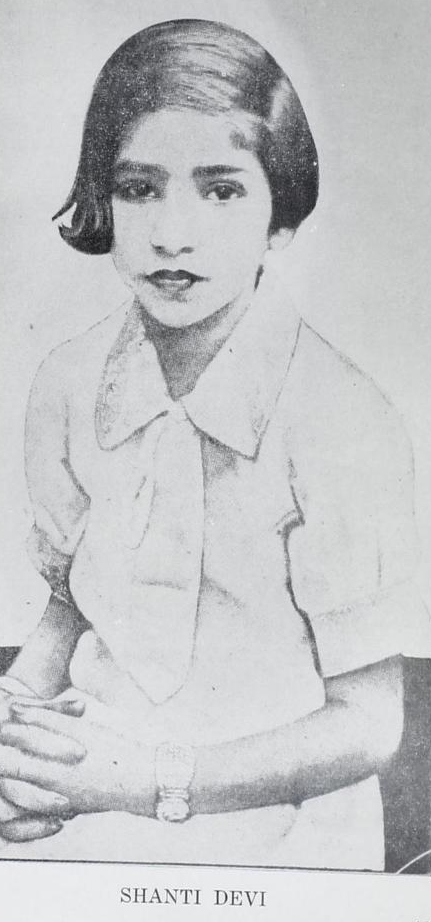
The case of Shanti Devi is one of the most famous reincarnation cases in India.
At a glance
4
years old when Shanti began speaking of her past life
15
members of the committee that investigated her claims
14 months
between Lugdi Devi’s death and Shanti’s birth
| Born | December 11, 1926, in Delhi, India |
| Memories began | Around 4 years old |
| Claim | Woman from Mathura, India |
| Previous life | Lugdi Devi |
| Death in previous life | Died in childbirth, October 1925, in Mathura, India |
| Researcher | Dr. Ian Stevenson |
The case
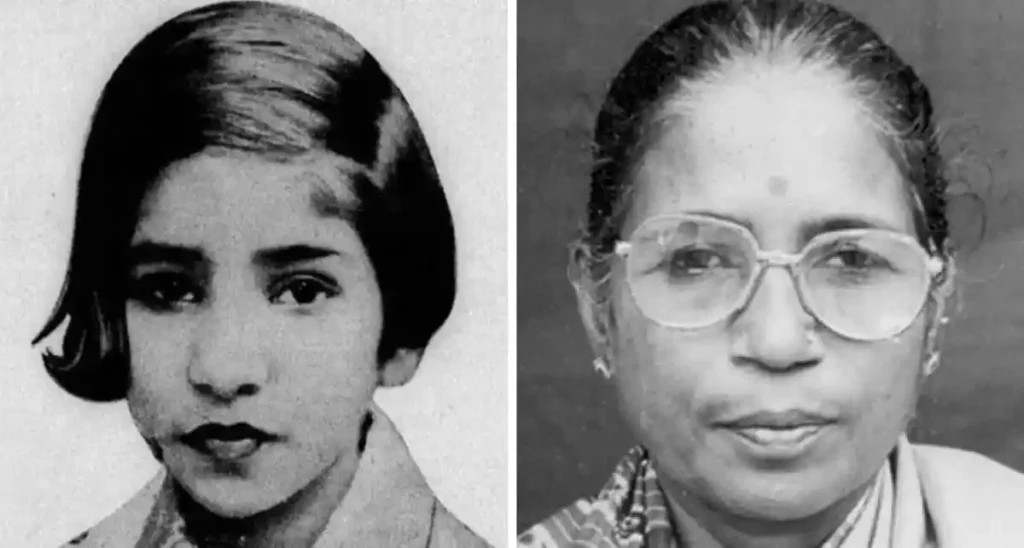
At a young age, Shanti began recalling details of a life in a different town, claiming she was previously Lugdi Devi, a woman who had lived in Mathura and died shortly after childbirth. Her memories were so vivid and specific that they attracted the attention of Mahatma Gandhi, who organized an investigation to verify her statements.
The case remains highly influential in reincarnation research due to the detailed and accurate information she provided, much of which was confirmed by those from her previous life’s family.
Key facts
Early memories
Around age 4, Shanti began speaking about her husband and home in Mathura, and wanted to visit her family from her past life.
Specific details
She described her past-life husband’s appearance, their home and the temple they went to: details only close family could have known.
Verification of family
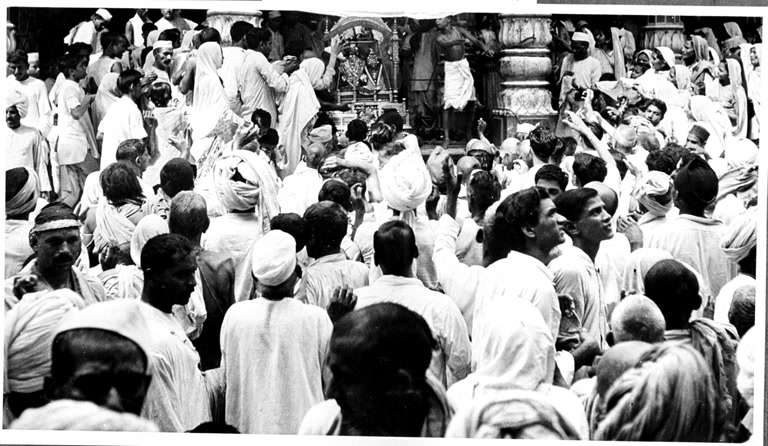
Taken to Mathura, she recognized members of her past-life family, including her previous husband, Kedar Nath.
Knowledge of past-life details
She identified landmarks around Mathura, described personal belongings, and revealed where Lugdi Devi had hidden money, which her previous family didn’t know.
Official investigation
Gandhi set up a committee of fifteen, including scholars and politicians. It found her statements remarkably accurate, beyond coincidence or childlike imagination.
In pictures

ICRR Compendium
Sources
- Lönnerstrand, S. (1998). I Have Lived Before: The True Story of the Reincarnation of Shanti Devi. Ozark Mountain Publishing.