


Reincarnation: a natural phenomenon
Most people think of reincarnation as purely a religious or spiritual idea. Not surprising, when every major religion either fully embraces reincarnation (e.g., Buddhism, Hinduism), includes reincarnationist sects (e.g., Islam, Judaism), or was once reincarnationist (e.g., early Christianity). However, if reincarnation happens, it’s a natural phenomenon worth studying.
Dr. Ian Stevenson: the pioneer of scientific reincarnation research
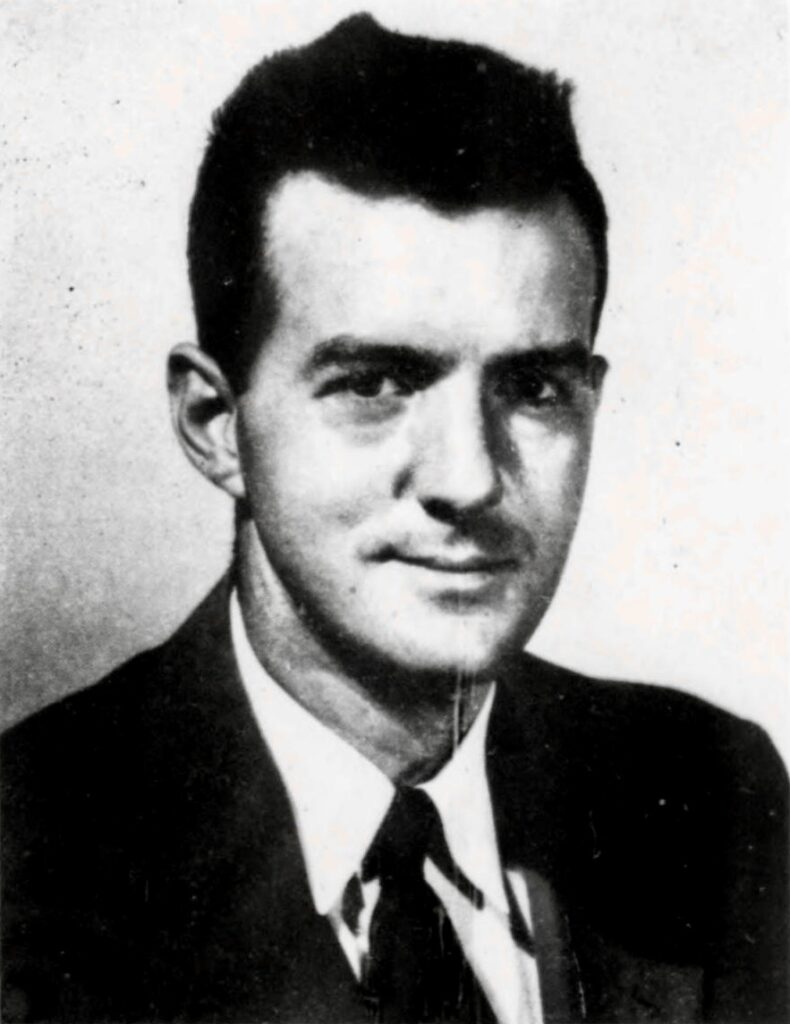
A life dedicated to discovery
Dr. Ian Stevenson (1918–2007) was a Canadian doctor and psychiatrist whose research at the University of Virginia transformed the study of reincarnation from a philosophical concept into a field of scientific inquiry.
A new scientific approach to reincarnation
In 1959, Dr. Stevenson recognized that reincarnation could be studied scientifically by focusing on people, especially children, who claimed to remember details from past lives. Over the next 45 years, he developed a rigorous methodology to investigate these claims.
The research process
- Interviews with the subject (the person with memories), and with others who had heard the subject discuss their memories.
- Documentation: collecting records or any physical evidence related to the memories.
What he investigated
Memories
Names, places, activities, and major events recalled from the past life.
Behaviours
Unusual likes, dislikes, fears, abilities, or desires that reflected past-life influences.
Physical signs
Birthmarks or scars corresponding to injuries from the past life.
Confirming past lives
Dr. Stevenson’s work didn’t stop at identifying memories; he worked to confirm their accuracy by:
- Matching the memories: finding a deceased individual whose life matched the subject’s memories.
- Fact-checking: interviewing those who knew the deceased, and verifying details using military records, hospital records, police reports and autopsy reports.
If the match was statistically unlikely to happen by chance, Stevenson took the research further.
Ruling out alternative explanations
Dr. Stevenson scrutinized each case, ruling out:
Other sources
Knowledge acquired through other means (e.g., books, movies, or hearsay).
Fraud
Families seeking attention or financial gain.
Delusion
Delusion or mental health issues.
Psychic activity
Psychic activity as an alternative explanation.
Only when reincarnation was the only plausible explanation would he publish the case or add it to his collection.
How reincarnation cases are typically investigated
Collection, followed by investigation, is the first step that investigators take when exploring a case typical of reincarnation. In these cases, the investigative process usually begins with a systematic approach to gathering information and evidence.
Here’s how an investigator might approach these first steps in a single case:
Step one: investigating and collecting cases
Collection of claims and testimonies
The initial phase involves collecting detailed accounts from the individual who claims to have memories of a past life. This also includes gathering testimonies from family, friends, and others who might have heard the individual speak about these memories.
Documentation and verification
The investigator documents all the details provided about the past-life memories, such as names, dates, locations, and specific events. The next step is to verify these details against historical records, birth and death registers, and any other relevant documents.
Analysis of the information
This step involves analyzing the information for consistency and checking for any possible natural explanations such as cryptomnesia (unconscious memory recall), fraud, or exposure to information about the alleged past life through media or other sources.
Interviews and psychological assessment
The investigator may conduct further interviews not only with the claimant but also with others relevant to the claimed past life. Psychological assessments may also be performed to understand the mental state of the claimant and to rule out any psychological disorders that might influence their memories.
Cross-verification
If the reincarnation claim involves memories of being a specific person, efforts will be made to cross-verify the details with the history and known facts of that person’s life. This could involve travelling to locations from the claimed past life, interviewing people who knew the deceased person, or accessing private records.
Compilation of findings
Finally, all the gathered information and the results from the verification process are compiled into a comprehensive report. This report assesses the credibility of the reincarnation claim and may include any unexplained phenomena or inconsistencies.
Step two: analysis of correlations and patterns
The second step in investigating reincarnation cases, which involves the analysis of correlations and patterns, seeks to uncover any regularities or systematic features that might suggest reincarnation functions as a genuine natural phenomenon.
Collection and preparation of data
Investigators gather comprehensive data from multiple cases of reported reincarnation. This data includes specific details about the individual’s memories, any corroborative evidence provided, psychological assessments, and details about the socio-cultural context of the claimants.
Statistical analysis
With the data collected, investigators employ statistical methods to analyze it. They look for commonalities across different cases, such as the age at which individuals recall past-life memories, the nature of these memories (e.g., violent or peaceful past-life experiences), and any recurring themes or details (like names, places, gender or professions). The goal is to identify statistically significant patterns that recur across cases which could not be attributed to chance.
Surveys and additional research
Surveys may be conducted among people who report past-life memories to gather more structured and quantitative data about their experiences. This might include questions about the clarity of their memories, any emotional or psychological effects related to these memories, and how these experiences align with their current life circumstances.
Identification of patterns
The analysis often reveals patterns that suggest a certain predictability or regularity in how these reincarnation experiences manifest. For example, investigators might find that certain types of past-life memories are more prevalent in specific cultural or geographic regions, or that certain psychological traits are common among those who report reincarnation memories.
Hypothesis formation
Based on observed patterns, researchers can form hypotheses regarding the mechanisms of reincarnation. For instance, if a significant number of cases involve individuals recalling past lives as specific types of people (like artisans, soldiers, etc.), one might hypothesize about the relevance of certain life experiences that carry over through reincarnation.
Testing and refinement
The hypotheses are then tested through further investigations and analyses. This may involve longitudinal studies to track how reported past-life memories impact individuals over time, or controlled experiments designed to test specific aspects of the reincarnation phenomenon.
A remarkable legacy
During his first research trip to Asia in 1960, Dr. Stevenson expected challenges in finding cases. Instead, he was inundated with reports, collecting cases by the dozen. By the end of his career, he and his team had amassed:
2,500
total cases
1,700
conclusively solved cases
500
published cases
Continuing the work
Dr. Ian Stevenson passed away in 2007, but his legacy lives on through the researchers he trained. The field of reincarnation studies continues to evolve, with new methods, directions, and support ensuring its growth.
Investigating cases is only the first step. What comes next could unlock deeper truths about human consciousness.